From Sketchbook to Scalable: Turning Drawings into Passive Income
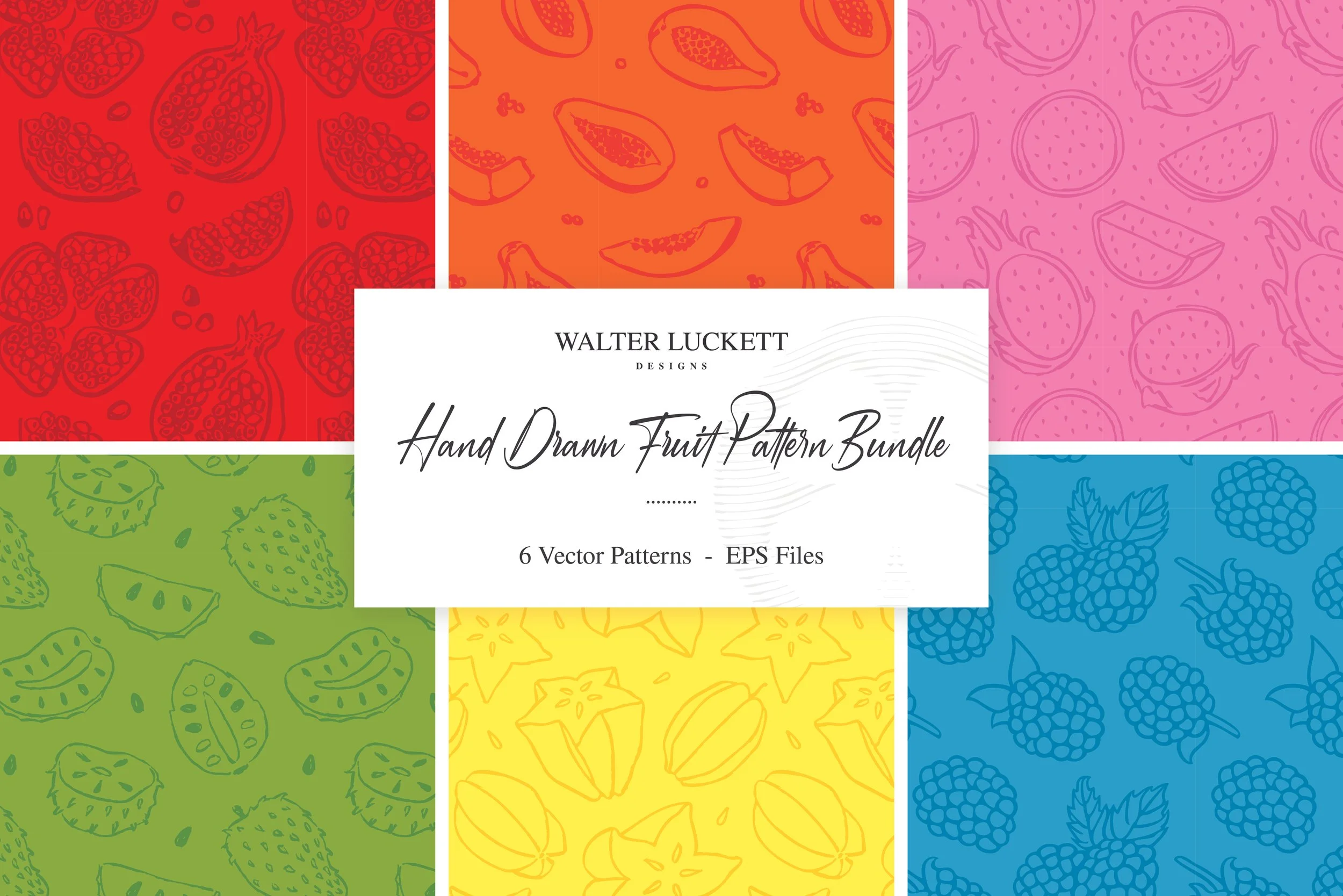
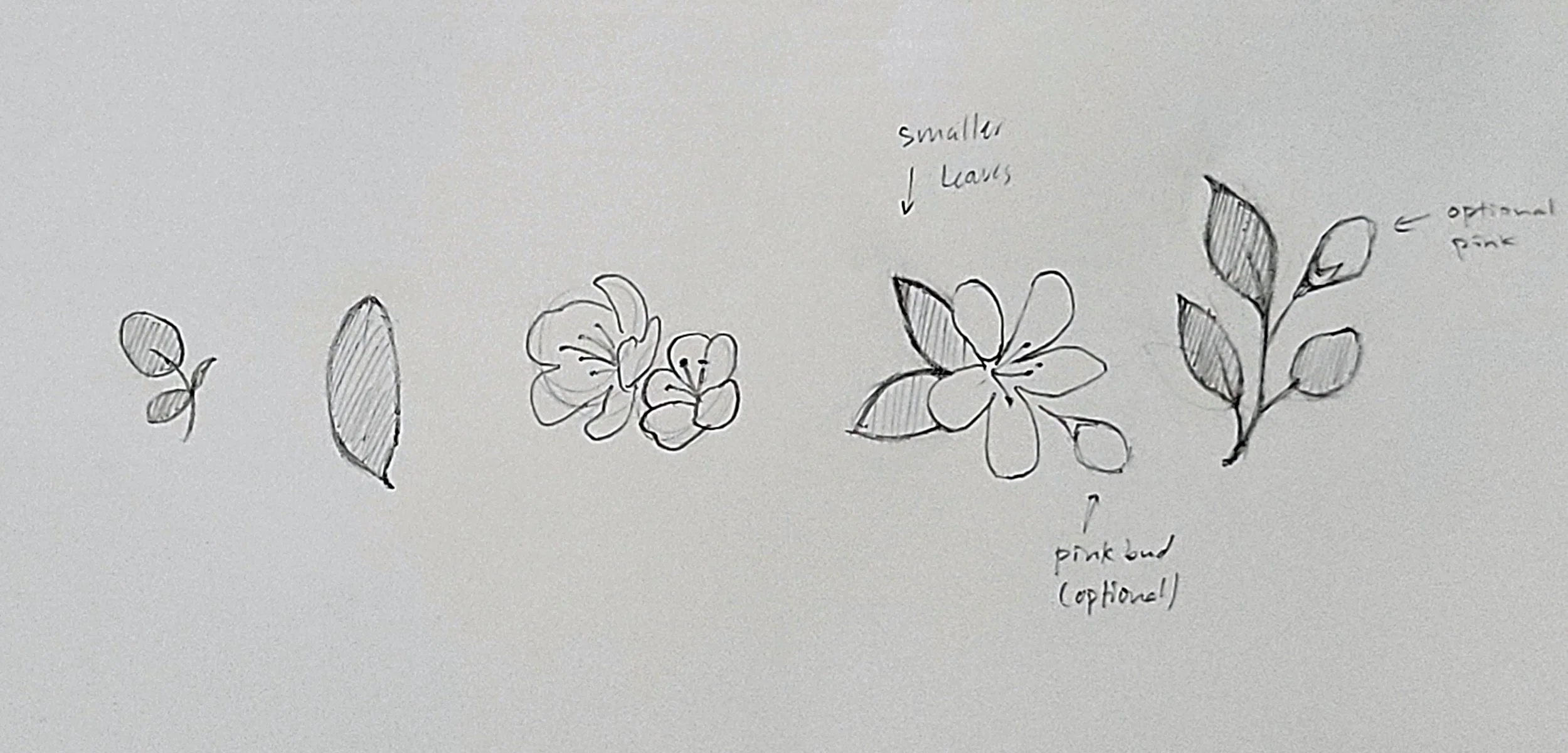
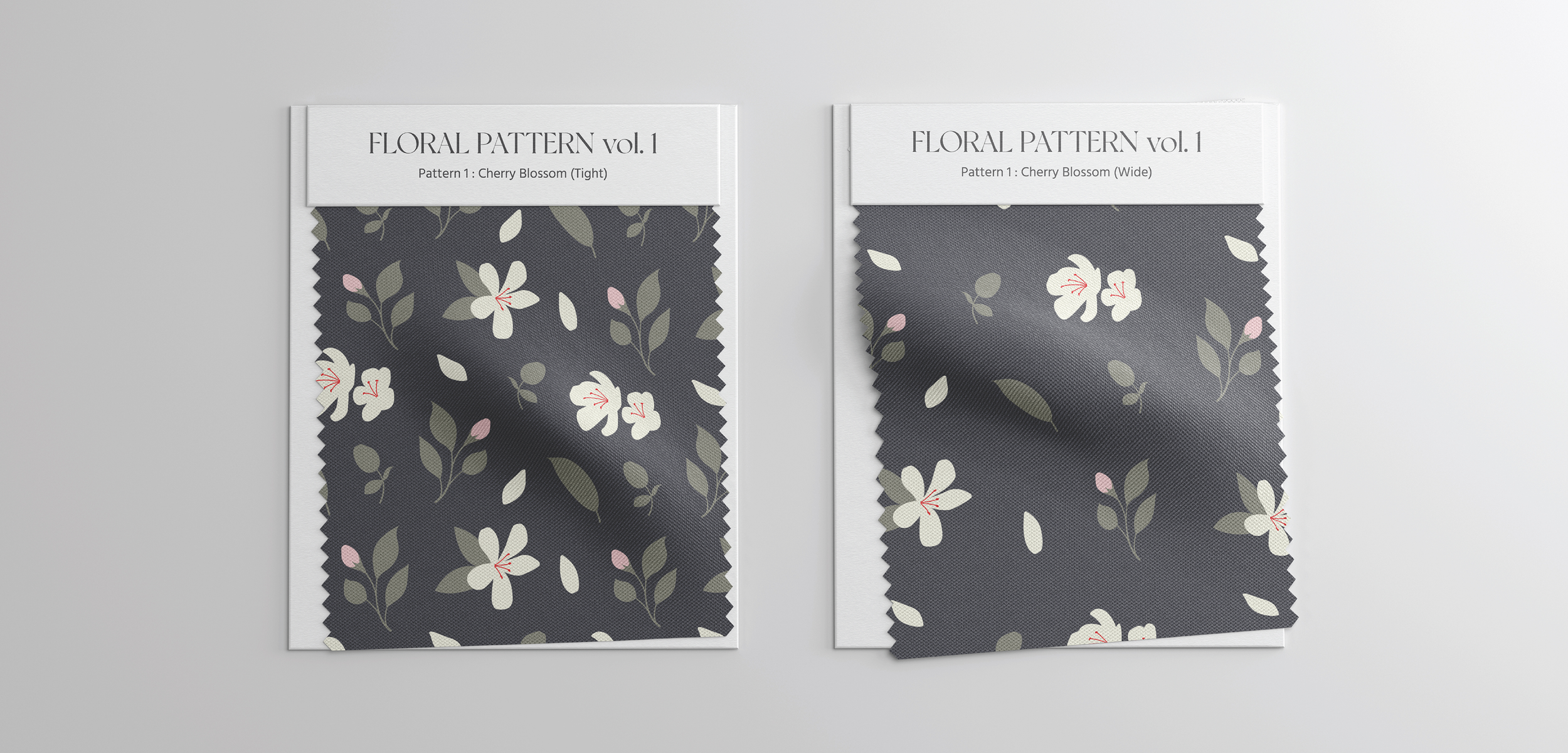
Recently, I created a new set of patterns for sale, and it pushed me to take passive income more seriously. More importantly, it reminded me of the value in fully utilizing my visual arts skills. As a designer, I’m constantly sketching quick concepts, but I don’t always feel incentivized to draw purely for myself. With this project, I decided to make a change. I wanted to lean into my quick-sketching ability and explore visual textures without overthinking or overdesigning. As designers, we’re notorious for curating great ideas that never move beyond the concept stage. This time, I committed to simplicity: quick sketches, later vectorized and stylized into seamless patterns.
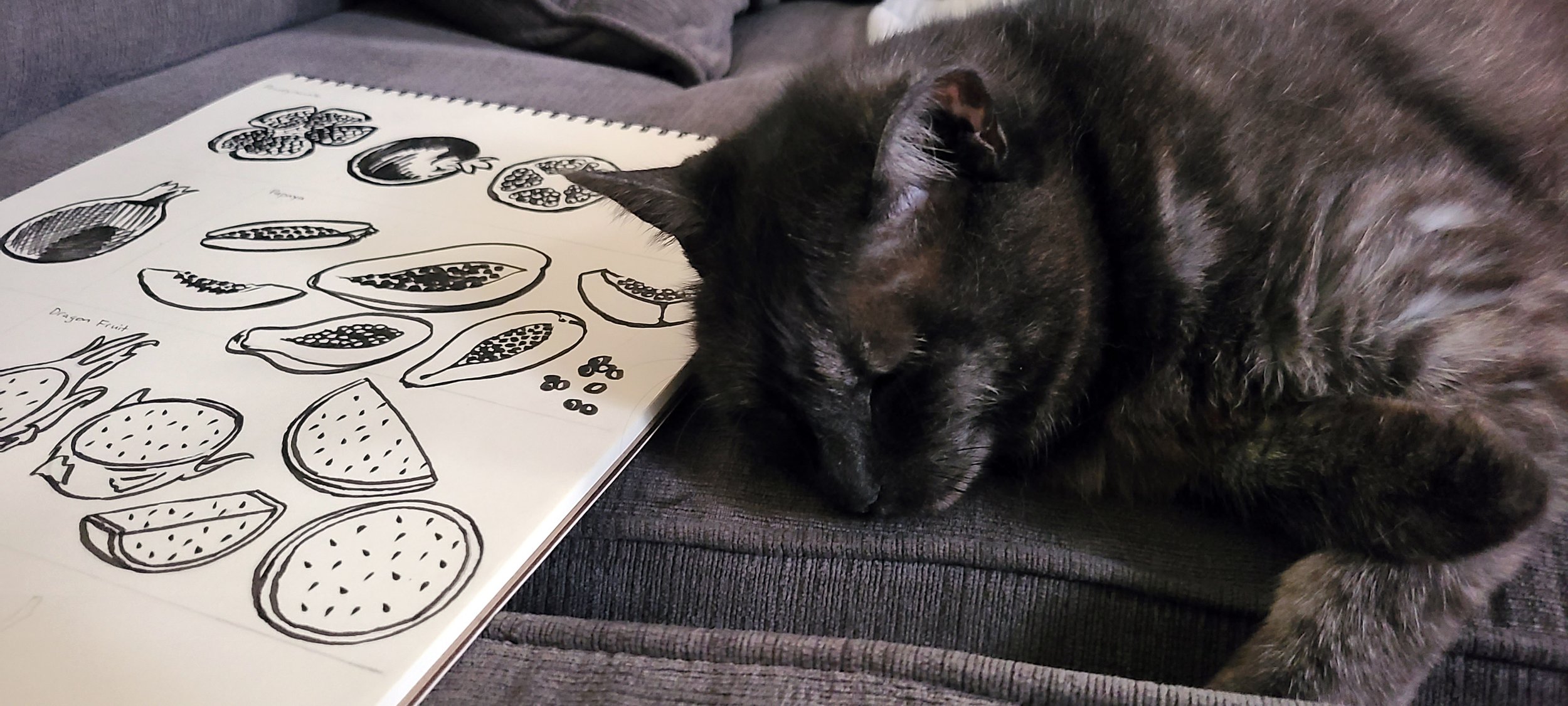
My baby girl, Felicia, showing her support.
Finding Joy in the Process and the Potential
There was real satisfaction in watching raw drawings evolve into polished patterns, but beyond that fulfillment, I saw something bigger: scalability. This wasn’t just about launching another standalone product. It was about building digital collections; assets that could outlive a single season and continue generating value over time. That shift in mindset changed everything. Instead of thinking in terms of one product, I started thinking in terms of growing a potential archive of assets.
Building a Creative Asset Archive
The work I’ve been putting in is slowly forming a personal library of creative assets. A developing archive that will allow me to track my creative growth while also supporting multiple streams of passive income. The beauty of digital products is simple: there’s no limit to how many times a single product can sell. The upfront time investment has the potential to generate long-term returns, which makes the process feel strategic—not just creative.
Completing my first pattern bundle confirmed this is something I want to continue. There was something special about using skills I sometimes take for granted and knowing those sketches wouldn’t just sit in a sketchbook. They had potential. Archiving my designs adds another layer of motivation; I like the idea of looking back years from now and seeing what I was thinking, drawing, and experimenting with. There’s value in preserving creative evolution. Not just for income, but for perspective.
Creating Space for What’s Next
Most importantly, releasing ideas into the world frees mental space for new ones. Once something is drawn, refined, and published, it becomes scalable. That momentum opens the door to new possibilities. I’m looking forward to expanding beyond patterns into mockups, illustration bundles, and eventually fonts, while exploring new niches along the way.
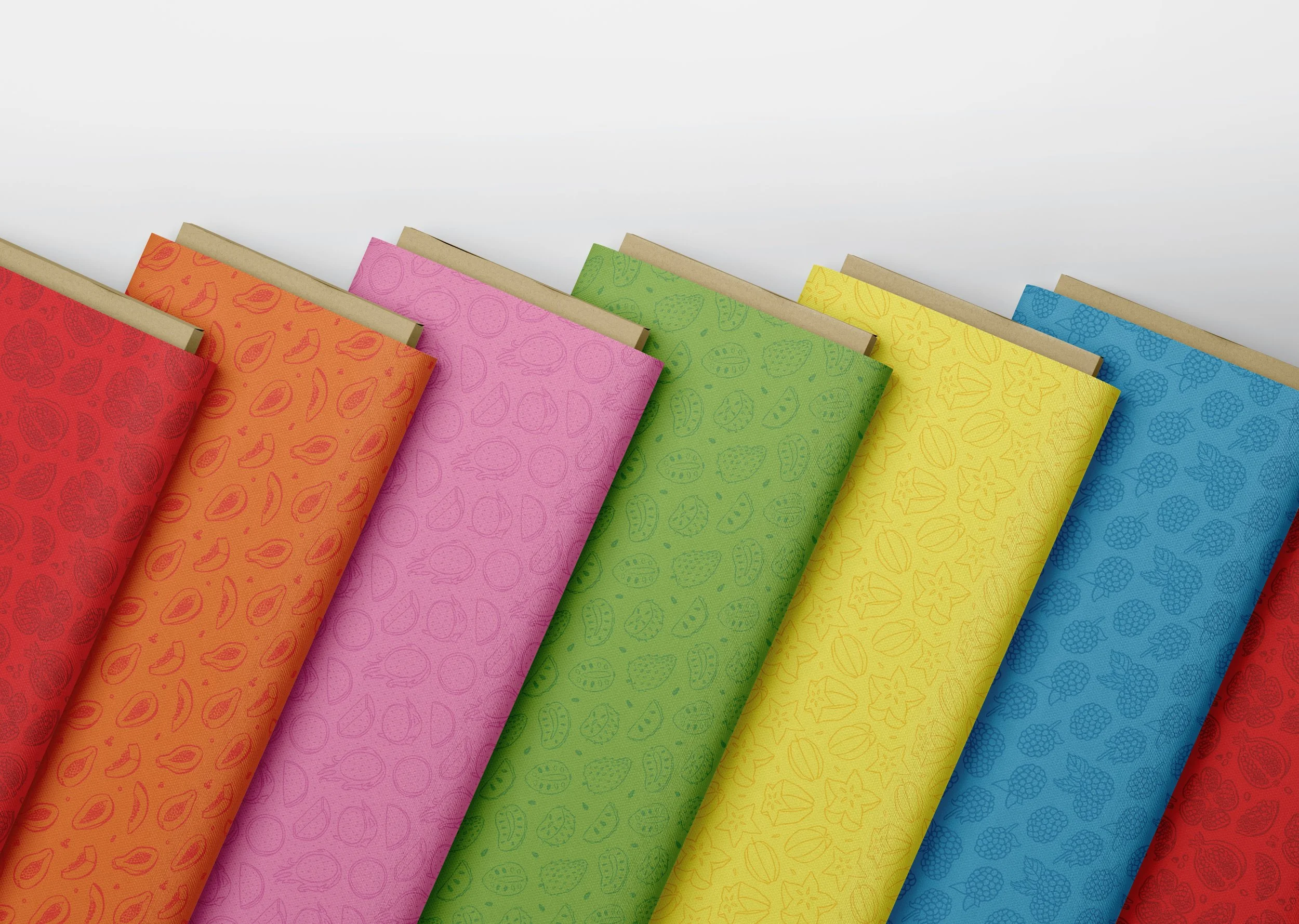
Click or tap this image to see the complete bundle.
Hopefully, this post encourages you to revisit those old sketches and give them new life. Turn that drawing into a painting, or transform that roll of film into a collection of prints. You never know how a single concept might evolve, or how far it could push your creative growth. If you’d like to see what I’ve been building, shop the latest creative assets here and stay tuned. There’s much more on the way!